
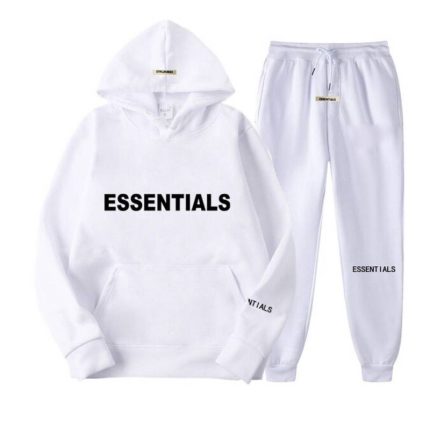
As sustainability becomes a priority for both consumers and brands in the fashion industry, the demand for sustainable essentials clothing—such as t-shirts, hoodies, and joggers—continues to grow. However, the Essential Clothing challenge lies not only in producing these products sustainably but also in incentivizing consumers to make more eco-conscious purchasing decisions. To accelerate the shift towards greener fashion, brands need to go beyond simply offering sustainable options. They must incentivize sustainability by creating meaningful rewards, promoting responsible consumption, and fostering a deeper commitment to environmental and social responsibility.
This article explores various strategies that brands can use to incentivize sustainable behavior in the essentials clothing market. By using innovative tactics, fashion companies can encourage consumers to adopt more responsible shopping habits, making sustainability a natural part of their purchasing decisions.
Why Incentivizing Sustainability is Crucial
1. Empowering Consumers to Make Better Choices
The fast-paced, disposable nature of fashion has made it difficult for many consumers to adopt sustainable purchasing habits. Incentivizing sustainability empowers consumers to consider the environmental and social impact of their choices while offering tangible rewards for doing so.
2. Accelerating the Industry’s Shift to Sustainable Practices
When brands incorporate sustainability incentives, it creates a competitive market where businesses must continuously improve their environmental practices. This leads to broader industry-wide change.
3. Creating a Culture of Sustainability
By incentivizing sustainable purchases, brands can help normalize eco-conscious shopping behaviors and establish sustainability as a mainstream value rather than a niche concern.
Strategies for Incentivizing Sustainability in Essentials Clothing
1. Reward Programs Based on Sustainability Choices
One of the most effective ways to incentivize sustainability is through reward programs that directly tie to responsible purchasing behavior.
- Eco Points: Consumers can earn points for making eco-friendly purchases, such as buying essentials clothing made from organic or recycled materials. These points could be redeemed for discounts, exclusive products, or charitable donations.
- Membership Tiers: Brands could offer tiered memberships that reward long-term commitment to sustainability, such as providing access to special collections or early product releases to those who consistently choose eco-friendly items.
Example: A consumer who buys a hoodie made from organic cotton or recycled polyester could earn extra loyalty points. These points could then be used to unlock discounts on future purchases or donated to environmental causes.
2. Trade-In and Recycling Programs
As part of incentivizing sustainability, clothing brands can establish trade-in or recycling programs, where customers receive a discount or reward for returning their old essentials clothing to be recycled or upcycled.
- Extended Life Cycle: These programs encourage consumers to reduce waste by offering a second life to garments that would otherwise end up in landfills.
- Convenient Collection: Brands can make the process simple by offering collection points in stores or providing prepaid return labels for online shoppers.
Example: A company could offer a $10 discount for every old hoodie a customer sends back to be upcycled into new fabric or recycled into new clothing. This incentivizes consumers to recycle their clothing while reducing their environmental footprint.
3. Carbon Offset Incentives
With the fashion industry being a significant contributor to carbon emissions, incentivizing consumers to reduce their carbon footprint is an essential strategy for promoting sustainability in essentials clothing.
- Carbon Offset Contributions: Brands can include an option for consumers to contribute to carbon offset programs at checkout. By paying a small additional fee, consumers can offset the carbon emissions associated with the production and shipping of their purchased items.
- Carbon Footprint Tracking: Consumers who purchase sustainable products can be offered incentives based on their total carbon savings over time.
Example: A brand may show consumers the carbon footprint of their purchase and offer them the option to donate towards a carbon offset initiative that will neutralize the environmental impact of their order.
4. Sustainable Packaging and Incentives
In addition to the clothing itself, packaging plays a significant role in the environmental impact of fashion. Brands can incentivize sustainability by offering rewards for choosing products that come with minimal or recyclable packaging.
- Zero-Waste Packaging: Rewarding customers who choose products with minimal packaging or those packaged in sustainable materials.
- Incentives for Returning Packaging: Consumers could receive discounts or loyalty points for returning packaging to be reused or recycled by the brand.
Example: A clothing company could offer a 5% discount on the next purchase for every set of sustainable packaging returned, such as reusable shopping bags or recyclable boxes.
5. Education and Awareness Programs
Brands can create awareness about the environmental impact of essential clothing by offering educational resources and incentives that encourage consumers to adopt sustainable habits.
- Sustainability Challenges: Companies can gamify the sustainability journey, encouraging consumers to make sustainable choices through challenges that come with rewards upon completion.
- Educational Discounts: Consumers who take part in sustainability quizzes or educational courses offered by the brand could receive discounts or exclusive access to sustainable product lines.
Example: A brand might offer an online sustainability challenge that teaches consumers about eco-friendly materials and production processes. Completing the challenge could unlock a discount on the next essentials clothing purchase.
Benefits of Incentivizing Sustainability in Essentials Clothing
1. Positive Consumer Engagement
Consumers who are incentivized to make sustainable choices feel recognized and valued by the brand. This positive engagement can strengthen the emotional connection between the consumer and the brand, leading to greater loyalty and repeat purchases.
2. Increased Brand Visibility and Market Share
Brands that incentivize sustainability are more likely to stand out in the crowded essentials clothing market. With increasing interest in eco-friendly fashion, brands offering meaningful incentives are well-positioned to capture the attention of a broader consumer base.
3. Reduced Environmental Footprint
Incentives that encourage responsible consumption—such as recycling, carbon offsetting, and supporting sustainable production—directly contribute to reducing the overall environmental impact of essentials clothing.
4. Competitive Edge
As consumers become more conscious of their environmental impact, offering sustainable options and incentives positions brands as leaders in the sustainability movement, creating a competitive advantage in the market.
Challenges in Incentivizing Sustainability
1. Consumer Awareness and Engagement
Despite growing interest in sustainability, many consumers are still unaware of the full impact of their clothing purchases. Brands need to find creative ways to educate consumers and encourage them to actively engage with sustainability incentives.
2. Scalability for Smaller Brands
While large brands may have the resources to offer extensive sustainability incentives, smaller companies may face challenges in implementing these programs effectively. Offering scalable solutions and partnerships with third-party organizations can help alleviate these challenges.
3. Cost Implications
Implementing sustainability incentives can involve costs for brands, particularly in areas such as rewards programs, carbon offsetting, and recycling initiatives. However, the long-term benefits—both in terms of consumer loyalty and brand reputation—can outweigh these costs.
The Future of Incentivizing Sustainability
Looking ahead, brands will continue to innovate in the ways they incentivize sustainable purchasing behavior in the essentials clothing market. Emerging trends include the use of blockchain technology for more transparent sustainability tracking, AI-driven recommendations for eco-friendly choices, and partnerships with environmental organizations to drive collective impact.
As consumers become increasingly Essential Hoodie invested in the planet’s well-being, incentives will continue to evolve, offering both immediate and long-term rewards for adopting responsible shopping behaviors.
Conclusion
Incentivizing sustainability in essentials clothing is not just about offering discounts or rewards; it’s about creating a culture of responsible consumption. By using innovative strategies like reward programs, recycling initiatives, and carbon offset contributions, brands can encourage consumers to make more eco-conscious decisions and drive long-term changes in the fashion industry.
As sustainability becomes an integral part of consumer behavior, brands that lead the way in incentivizing green practices will not only help reduce the fashion industry’s environmental footprint but also position themselves as industry leaders in sustainability.