
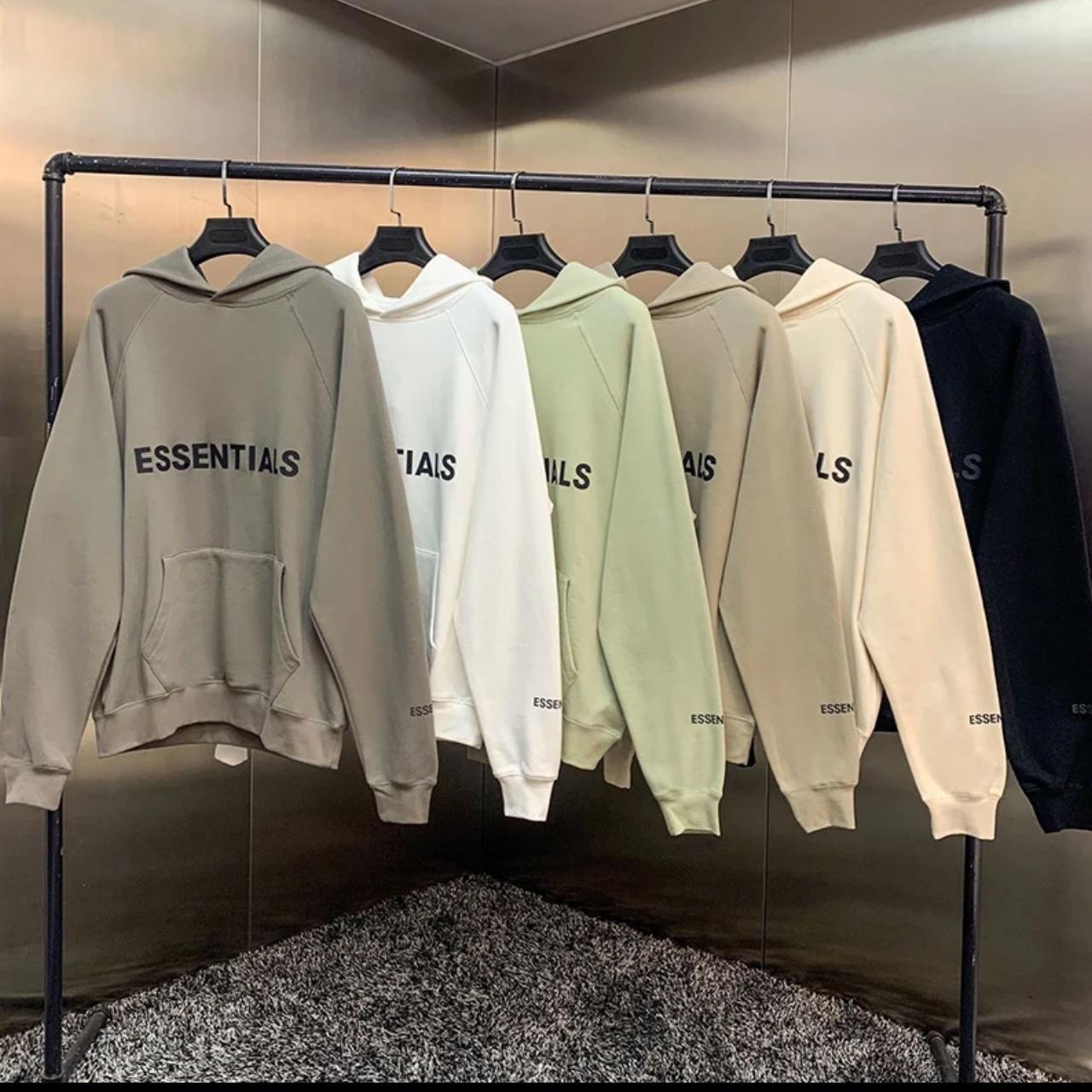
Layering is not just a practical way to dress for various weather conditions, but it also provides an opportunity to create stylish outfits that can be adapted to different occasions. By understanding the art of layering, you can craft looks that are functional, fashionable, and seasonally appropriate throughout Essentials Clothing the year. The key to successful layering lies in selecting the right fabrics, colors, and silhouettes that work together harmoniously. In this article, we’ll explore how to layer essential clothing for year-round fashion, from the basics of layering to more advanced tips for creating versatile outfits.
The Basics of Layering
Layering is the process of wearing multiple clothing items in a specific order to provide warmth, comfort, and versatility. At its core, layering involves three primary layers: the base layer, the middle layer, and the outer layer. Each layer serves a distinct purpose and contributes to your overall look. Let’s break these down:
- Base Layer: This is the layer closest to your skin and serves as the foundation of your outfit. It should be made of lightweight, moisture-wicking fabrics that keep you dry and comfortable. In cooler weather, it helps trap heat, while in warmer weather, it keeps sweat off your skin. Common base layers include fitted tops, leggings, and undershirts.
- Middle Layer: This layer provides insulation by trapping warmth. It should be thicker than the base layer but still breathable. The middle layer includes items such as sweaters, cardigans, long-sleeve shirts, fleece jackets, or vests. This is the layer that you can adjust according to temperature changes and personal comfort.
- Outer Layer: The outer layer provides protection from the elements, such as wind, rain, and cold. It can be a jacket, coat, blazer, or windbreaker. The outer layer is the most visible part of your outfit, so it also plays a significant role in defining your style. For extreme cold, you might opt for a puffer coat, while in spring or fall, a lightweight trench coat might suffice.
Choosing the Right Fabrics for Layering
The fabric you choose for each layer is crucial for comfort and function. Let’s explore some of the best fabrics for layering, depending on the season.
- Winter Layering: In winter, your base layer should consist of thermal or merino wool fabrics that retain heat. Wool and cashmere are excellent materials for middle layers because they offer warmth without bulk. For outer layers, choose wool-blend coats or down-filled jackets, as these fabrics are designed to keep you warm in freezing temperatures while allowing for movement.
- Spring and Fall Layering: When transitioning between seasons, layering becomes especially important. For base layers, cotton and light merino wool are breathable and comfortable. Middle layers can include light knits, cardigans, or denim jackets. For outer layers, opt for versatile pieces like a leather jacket, trench coat, or a lightweight puffer jacket. These materials offer warmth without being too heavy and help adapt to fluctuating temperatures.
- Summer Layering: Even in hot weather, layering is possible, particularly in the evening when temperatures drop. The key is to opt for lightweight, breathable fabrics. Linen and cotton are ideal for base layers, as they allow air circulation. Lightweight cardigans, kimono-style jackets, or denim jackets work well as middle layers. The outer layer should be something like a light denim or cotton-blend jacket, which is comfortable yet protective from cooler evening breezes.
Layering for Different Occasions
Layering is not just about function; it’s also about style. Here are a few tips on how to layer for different occasions throughout the year.
- Casual Everyday Looks: For casual day-to-day outfits, layering is an opportunity to mix and match different textures and colors. Start with a simple t-shirt or fitted top as your base layer. Pair it with a casual sweater or hoodie for the middle layer, and add a denim or leather jacket for the outer layer. Complete the look with jeans, leggings, or chinos, depending on your personal style.
- Business Casual Outfits: Layering can also work well for business casual looks. Begin with a well-fitting blouse or shirt as your base layer. Add a smart cardigan or a tailored blazer for the middle layer, and finish the look with a structured coat or trench. This type of layering is professional and stylish, allowing for both warmth and elegance.
- Weekend and Outdoor Activities: If you’re heading outdoors for a hike, picnic, or any weekend activity, layering can help you stay comfortable regardless of changing weather conditions. Start with a moisture-wicking base layer to keep sweat at bay, followed by a fleece jacket or a soft-shell jacket for warmth. An outer layer such as a waterproof jacket or windbreaker will keep you dry if the weather turns.
- Night Out or Formal Occasions: When heading to a formal event or a night out, layering can elevate your outfit. For example, a sleek black turtleneck can act as a base layer, with a tailored suit jacket as the middle layer. You can top off the look with a stylish coat or statement outerwear, such as a long trench coat or an elegant overcoat. This creates a polished and sophisticated look that can transition from the office to a night out with ease.
Key Pieces for Year-Round Layering
Certain clothing pieces are essential for layering throughout the year. These versatile items can be mixed and matched to create numerous outfits in any season:
- Fitted Tops and T-Shirts: These are your base layer essentials. Choose solid colors, stripes, or subtle patterns that can be paired easily with other pieces. T-shirts, long-sleeve tees, and tank tops are perfect for creating a clean base for your layers.
- Cardigans and Sweaters: These are ideal for adding a cozy middle layer. Cardigans, pullovers, and lightweight sweaters are perfect for layering over base tops and under outerwear. Choose neutral colors like gray, navy, or beige for maximum versatility.
- Denim Jackets: A denim jacket is a timeless outer layer that works year-round. In the summer, it can be thrown over a light dress, and in winter, it can be layered under a heavier coat for a stylish, casual look.
- Blazers: A well-fitted blazer can serve as both a middle and outer layer. It’s perfect for business and formal settings, but can also be dressed down with jeans and a t-shirt for a more casual look.
- Puffer Jackets: For colder weather, a puffer jacket is a must-have outer layer. It can be worn over a sweater and paired with jeans or leggings. Puffer jackets are perfect for staying warm without sacrificing style.
- Scarves and Accessories: Scarves, hats, gloves, and other accessories add dimension to your outfit and provide additional warmth when needed. Choose scarves made of wool, cashmere, or cotton, depending on the season.
- Boots and Shoes: Footwear plays an important role in layering, especially during the colder months. Boots, whether ankle, knee-high, or combat styles, are great for layering with jeans, skirts, or leggings. In warmer months, sandals or low-profile sneakers are perfect for completing a layered look.
Layering Tips for Different Body Types
While layering is universally applicable, it’s important to tailor your approach depending on your body shape. Here are a few tips for different body types:
- Petite: If you have a petite frame, avoid over-layering, as it can overwhelm your figure. Stick to slimmer silhouettes, and try to keep layers close to the body. Opt for fitted pieces and shorter outer layers to create a flattering look.
- Tall: Taller individuals can experiment with more layers, as they can carry bulkier items without feeling weighed down. Play with longer coats and oversized sweaters to create a chic and fashionable look.
- Curvy: For curvier body types, layering can be a great way to accentuate your shape. Focus on items that cinch at the waist, such as belted jackets or cardigans. A structured blazer or coat will help define your silhouette and add sophistication to your outfit.
- Athletic: If you have an athletic build, layering can help add softness and dimension to your figure. Choose draped fabrics for outer layers, such as cardigans or oversized blazers, and avoid overly tight items. Experiment with adding texture and volume to create a balanced look.
Conclusion
Layering is an art form that allows you Essential Hoodie to dress stylishly while accommodating changing weather conditions. By understanding the purpose of each layer and selecting the right fabrics and pieces for your wardrobe, you can create fashionable outfits that transition seamlessly from one season to the next. Whether you’re dressing casually for everyday wear, preparing for a formal event, or heading outdoors for a weekend adventure, layering ensures that you’re both comfortable and stylish all year round. With the right key pieces in your wardrobe and a little creativity, you can master the art of layering and build a wardrobe that works for any occasion or season.